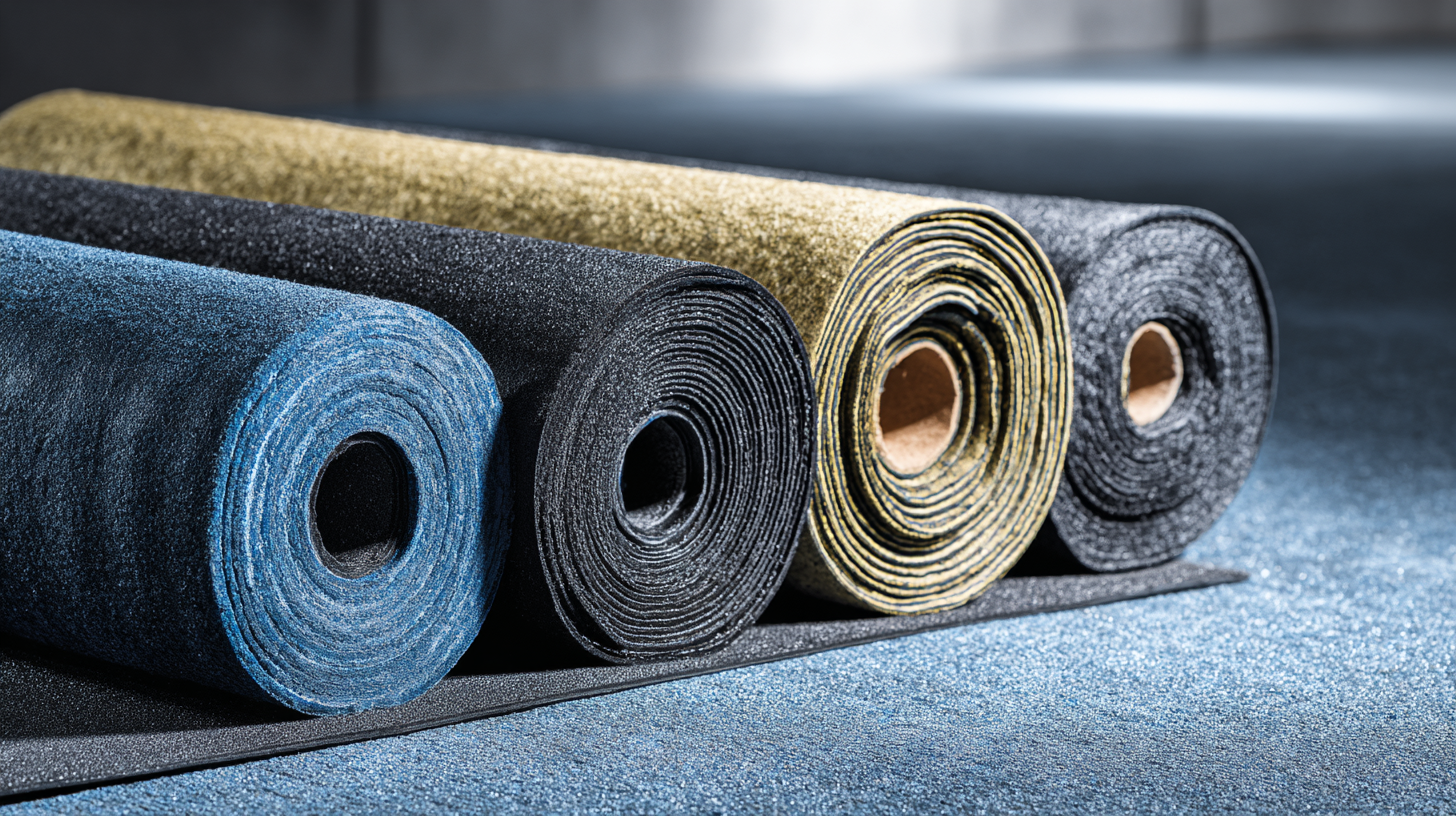
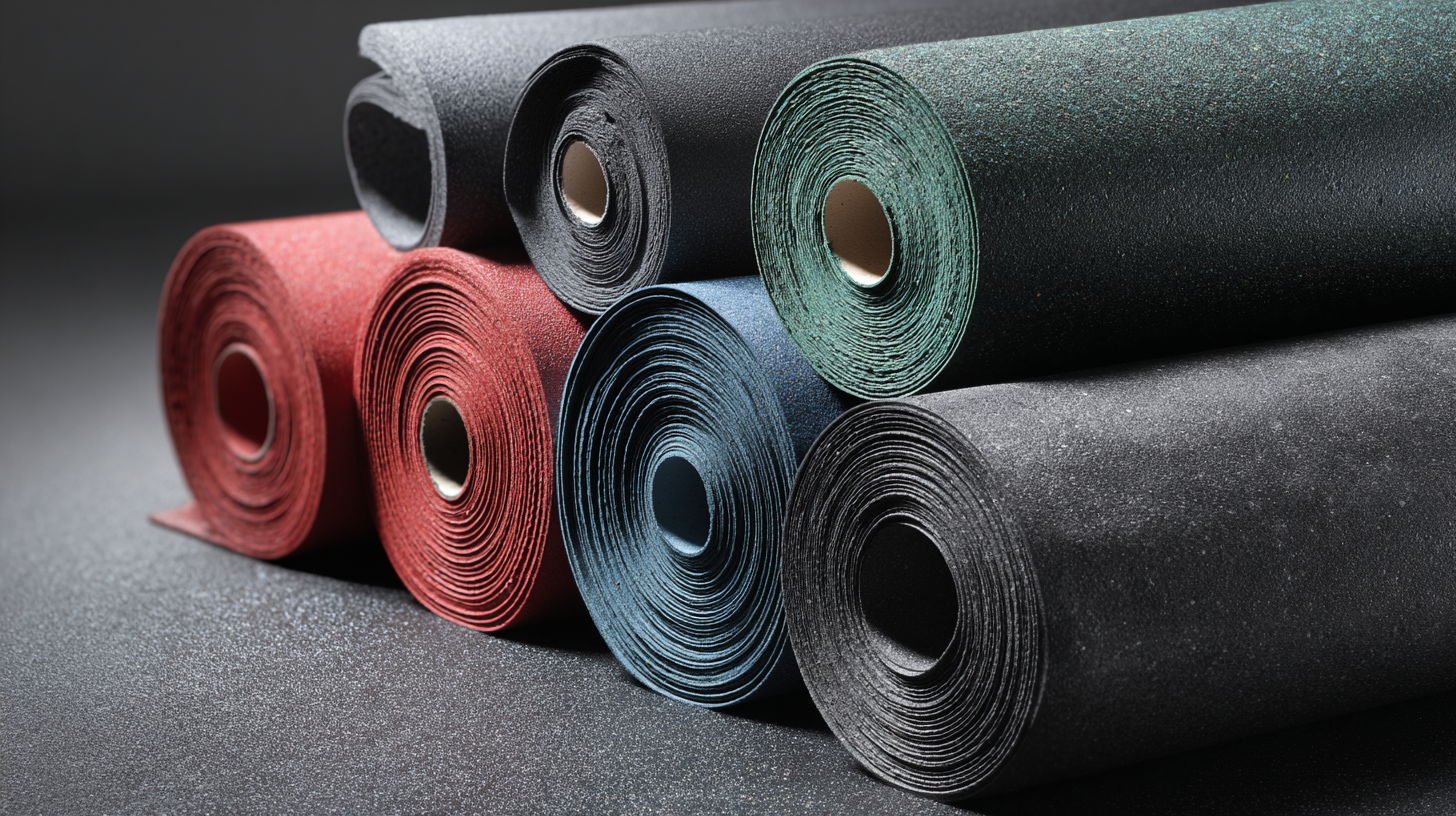
Picking the right flooring isn't just a small detail—it’s actually pretty important, especially in places where there's a lot of foot traffic like sports arenas, gyms, or training centers. Rubber Floor Rolls are a really solid choice if you’re after surfaces that are tough enough to handle all kinds of intense activities but still look good. Here at Sanhe Do It The Way Sporting Industrial Co., Ltd., we’re all about coming up with smart flooring solutions that tick all the boxes for performance. Our FITFLOR line is made with safety and practicality in mind, making it a perfect pick for anyone wanting durable flooring that also helps improve the overall training environment. In this quick guide, I’ll go over some of the key things to think about when choosing Rubber Floor Rolls—stuff that keeps your space safe, inviting, and actually useful for training sessions.
Factors Influencing Durability of Rubber Floor Rolls in High Traffic Areas
So, when you're picking out rubber floor rolls for really busy areas, there are a few things you wanna keep in mind about how durable they'll be. First off, the material itself makes a big difference. Turns out, rubber made from recycled tires—not only good for the environment but also pretty tough—can stand up well under heavy foot traffic. I read somewhere that this recycled rubber actually improves pavement performance, and that kind of resilience probably applies to flooring too—lasting longer and resisting wear better than regular stuff.
Oh, and don't forget about the thickness and density of those rolls. Thicker options tend to absorb impacts better, which means they won’t wear out as quickly. Ideally, you’re looking at something with a Shore A hardness of around 70 to 80—trust me, that’s like the sweet spot for tough, heavy-use areas. Also, making sure the rubber is treated to cut down on any problematic heavy metals leaching out, especially from runoff, is a smart move.
It’s pretty important these days, since new contaminants like 6PPD-quinone are being found, and they could pose long-term risks. So, choosing products that align with eco-friendly, sustainable practices is definitely the way to go.
Key Specifications to Consider When Selecting Rubber Flooring Materials
When you're choosing Rubber Flooring for busy, high-traffic spots, there are a few key things you wanna keep in mind to make sure it’s durable and safe. First off, the thickness really matters—thicker rubber sheets tend to offer better cushioning and stand up to wear and tear better, especially if people are walking all over it all day long. Oh, and don’t forget to check out the durometer rating — that’s just a fancy way of measuring how hard the rubber is. Usually, a middle-ground hardness hits the sweet spot between comfort and resilience, making it versatile for different spaces.
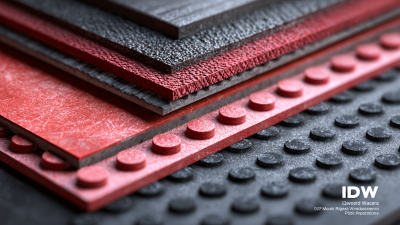
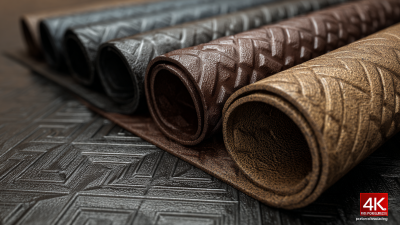
Another thing to consider is the surface texture. Having a textured finish can really help prevent slips, which is a big deal in areas where spills or moisture might happen. And if you want to go above and beyond, look for Rubber Rolls that come with antimicrobial properties. That helps keep things cleaner and can even extend the life of your flooring. Lastly, it’s always a good idea to peek at the warranty and reviews from other users or manufacturers. This way, you get a clearer picture of how it’ll perform over time and make sure it can hold up to all that foot traffic without compromising safety.
Basically, just take your time checking all these things, and you’ll end up with flooring that’s both tough and safe for whatever busy environment you need it in.
Understanding Safety Ratings and Certifications for Rubber Flooring
So, when you're picking out rubber flooring for busy spots like gyms, malls, or schools, it’s super important to pay attention to safety ratings and certifications. Those ratings give you a good idea of how durable and safe the flooring really is. For example, slip resistance is a key factor—this is usually tested using things like the COF (Coefficient of Friction) rating. Basically, the higher the COF, the better the grip, and the less likely people are to slip and fall. That’s definitely something to keep in mind for places with a lot of foot traffic.
And don’t forget to check for certifications from trusted organizations, like ASTM or FloorScore. These basically prove that the flooring meets certain safety and health standards—FloorScore, for instance, shows it has low VOC emissions, which is good for indoor air quality. Picking a product with these certifications not only makes your space safer but also ensures compliance with health guidelines.
So, when you’re browsing rubber floor rolls, aim for ones that have solid safety ratings and certifications—you’ll feel a lot more confident knowing your floor’s safe and durable, especially in those busy areas.
Comparative Analysis of Different Rubber Floor Roll Thicknesses
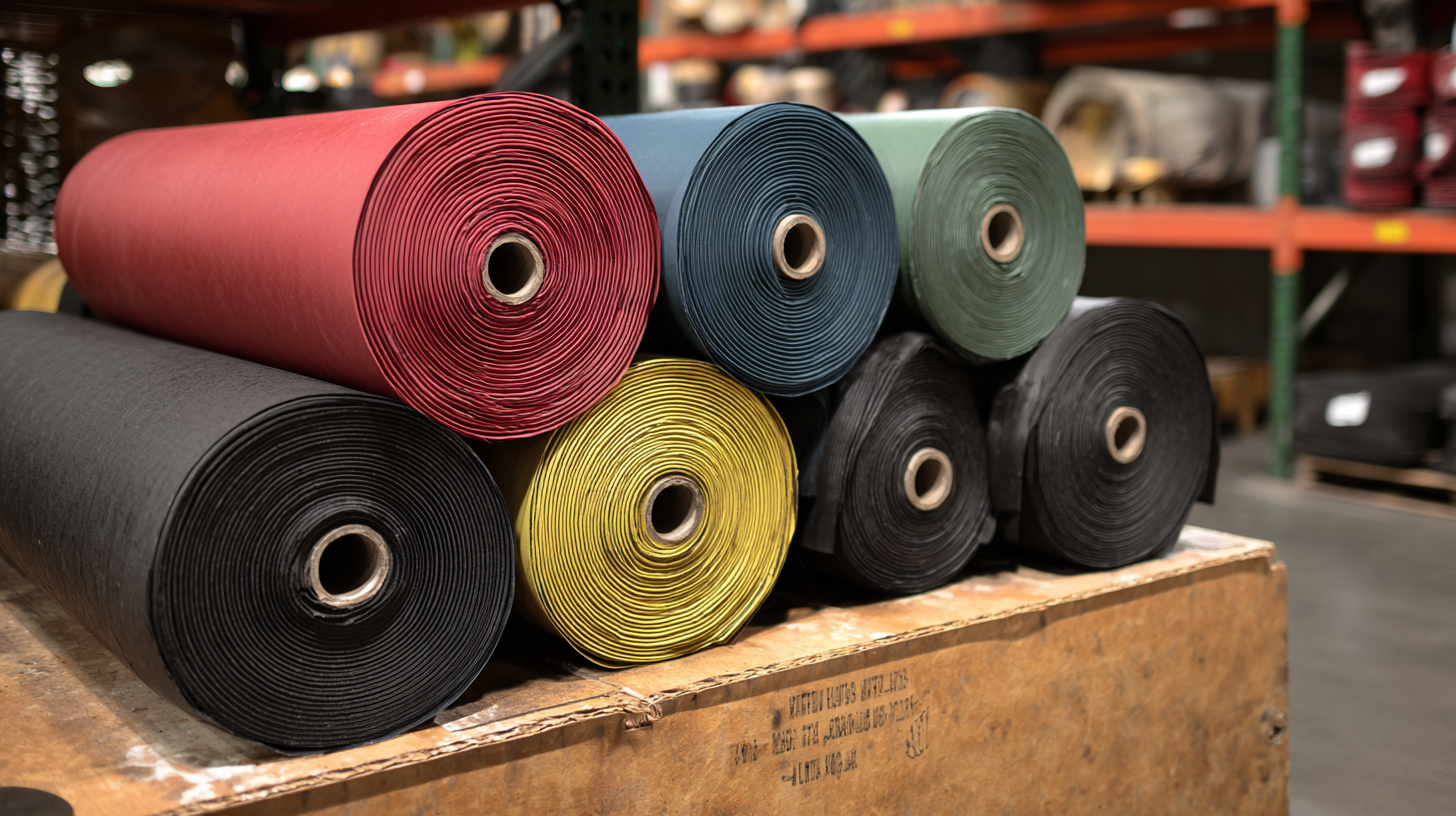 When you're picking out rubber floor rolls, the thickness really matters — it’s essential for safety and durability, especially in spots that see a lot of foot traffic. I came across a study by the Rubber Manufacturers Association that suggests thicker rubber flooring, usually somewhere between 5mm and 10mm, can really help reduce wear and tear over time. Plus, it offers better shock absorption, which is super important in busy commercial spaces. The thicker the flooring, the longer it tends to last, and it also helps cut down on slips, trips, and falls — so honestly, it’s a solid investment for any business.
Now, when you’re comparing different thicknesses, think about what kind of environment you’re dealing with. For example, a 6mm thickness is generally enough for moderate foot traffic. But if your place gets a lot of heavy use, you might want to go for at least 8mm to handle the extra stress. Also, there's a report from the National Institute of Standards and Technology that points out rubber flooring with at least 10mm can absorb more impact, making things a lot more comfortable for both employees and visitors.
Quick Tips:
- Take a good look at how much foot traffic your space gets before settling on a thickness.
- Keep in mind what kind of footwear people usually wear around there — it can impact how durable the flooring needs to be.
- And don’t forget to pick products that are ASTM certified. That way, you’re sure you’re getting something safe, reliable, and up to standard.
Benefits of Texture and Grip in Rubber Flooring for High Traffic Environments
When you're dealing with areas that see a lot of foot traffic, picking the right rubber flooring really matters — it’s all about safety and durability. One of the key things to pay attention to is the texture and grip of the surface. Studies show that textured floors can really help cut down on slips and falls, which is especially important in spaces where moisture or spills are common. The OSHA — yeah, the Occupational Safety and Health Administration — points out that slips and falls make up about 27% of all reported workplace injuries. That just underscores how crucial good grip is when choosing flooring.
When shopping around for rubber flooring, you'll often see manufacturers list something called the coefficient of friction, COF for short. Basically, it measures how well the surface grips. For busy commercial areas, experts generally recommend a COF of 0.6 or higher because it offers better traction and safety. This is especially true for industries like healthcare, schools, or retail stores — places where accidents happen more easily. You know those gym or sports center floors? They often feature special textured patterns designed to boost traction, so folks can work out safely without slipping. Plus, these textured surfaces tend to last longer, since they don’t wear down as quickly under constant foot traffic, making the flooring both safe and durable over time.
Maintenance and Care Tips to Enhance the Lifespan of Rubber Floor Rolls
Looking to invest in rubber floor rolls, especially if you’re dealing with busy areas? Then you really want to keep up with proper maintenance and care—that’s what truly makes a difference in how long they last and how safe they are. From what I've seen in industry reports, sticking to a regular cleaning routine can actually boost the lifespan of your rubber flooring by up to 30%. It’s pretty simple stuff—daily sweeping or vacuuming to get rid of dirt and debris that could scratch or damage the surface over time. And, when you’re cleaning, using a pH-neutral cleaner is a smart move because harsh chemicals can do more harm than good.
Another thing to keep in mind is dealing with spills and stains right away. Rubber flooring can absorb liquids if you don’t clean them up quickly, which might lead to funky odors or even mildew issues. So, it’s best to mop the area weekly with a damp cloth and some mild detergent to keep everything looking and smelling fresh. Also, expert tip: putting on a sealant every few years can really help protect your floors from wear and tear, and it can make your rubber flooring last way longer. By following these simple maintenance tips, property owners can keep their rubber floors safe, sturdy, and ready to handle even the busiest spaces without a hitch.
Rubber Floor Roll Durability and Safety Ratings
FAQS
: Rubber derived from recycled tires is recommended due to its significant resilience and environmental benefits.
Thicker rolls absorb impact better, reducing wear from constant use and enhancing overall durability.
A density of 70-80 durometer Shore A hardness provides optimal resistance to deformation and tears.
Treatments to mitigate heavy metal contamination improve environmental safety, especially in areas with high traffic.
Slip resistance is crucial; look for a high COF (Coefficient of Friction) rating to reduce the risk of slips and falls.
Recognized organizations such as ASTM (American Society for Testing and Materials) and the FloorScore certification offer safety ratings.
Safety certifications enhance flooring safety, ensure compliance with health standards, and indicate low VOC emissions for improved indoor air quality.
The wear resistance and longevity demonstrated in pavement applications from recycled tire rubber are similarly applicable to rubber flooring.
Selecting rubber products that align with sustainable practices and ecological safety is crucial due to concerns about long-term hazards from contaminants.
Certified products provide peace of mind regarding their safety, durability, and compliance with health standards, making them suitable for high traffic environments.
Conclusion
When you're choosing rubber floor rolls for busy areas with a lot of foot traffic, there are a few important things you should keep in mind to make sure they last and keep everyone safe. It's really helpful to understand what factors affect durability—stuff like what the material's made of, how resistant it is to wear and tear, and what kind of maintenance it needs. Plus, paying attention to specs like thickness, safety ratings, and certifications can really help you make smarter decisions, especially if you're outfitting gyms or sports venues.
Oh, and don’t forget about texture and grip! Those little details make a big difference because they help prevent slips and falls, especially in areas that see a lot of movement. Keeping up with regular maintenance and caring for the floors properly can also extend their lifespan—trust me on that. Over here at Sanhe Do It The Way Sporting Industrial Co., Ltd., we’re all about helping you create top-notch training environments. Our FITFLOR products are specifically designed to handle the hustle and bustle of high-traffic spots. We want you to get the best out of your flooring, every time.